Algeria: bringing hope of life to the refugee camps in the Sahara desert
How we work
Our IncuNest incubator fits in a checked suitcase… but it doesn’t travel alone. Behind every journey there are people, organizations and volunteers who make it possible for it to reach the places where it is needed most.
Today we work with more than 60 NGOs around the world that take it to its destination and make sure it keeps working. That is why, most of the time, the MOW team doesn’t need to get on a plane.
This time, the Salesian educational centers, of Pamplona organized the trip, and on the ground we worked with ATTsF, the Navarre NGO that has been supporting the Sahrawi people in the Tindouf camps for 20 years.
Travelling were Pablo Sánchez Bergasa, our Director, together with Alfonso Gordillo, one of our most committed volunteers.
Alfonso is much more than a vocational training teacher: he coordinates production from Pamplona. Like Alfonso, dozens of vocational training teachers volunteer part of their time so that the trade they teach every day ends up saving lives thousands of kilometres away.
A place where an incubator can make a difference
Algeria is the largest country in Africa and one of those that has made the most progress in maternal and child health in the region. But access to neonatal care remains unequal, and it is especially difficult in the Sahrawi refugee camps in the desert, in the Tindouf region. That is exactly where this mission took place.
According to World Bank and UNICEF estimates (2024), the neonatal mortality rate in Algeria is approximately 15 deaths per 1,000 live births, compared with 3.3 on average in the European Union. In the camps, with no nearby hospitals and no guaranteed electricity, the gap is even wider.
The Salesians, our main ally
The 6 incubators that arrived in Algeria in June were not bought: they were built. The Salesians are our main production partner: we have been building the incubators with them since 2020, in the vocational training workshops of 10 centers across Spain.
The largest is in Pamplona, where Mechanics and Electronics students build, assemble and test each unit, and where every incubator passes through before leaving for its destination.
Training the midwives
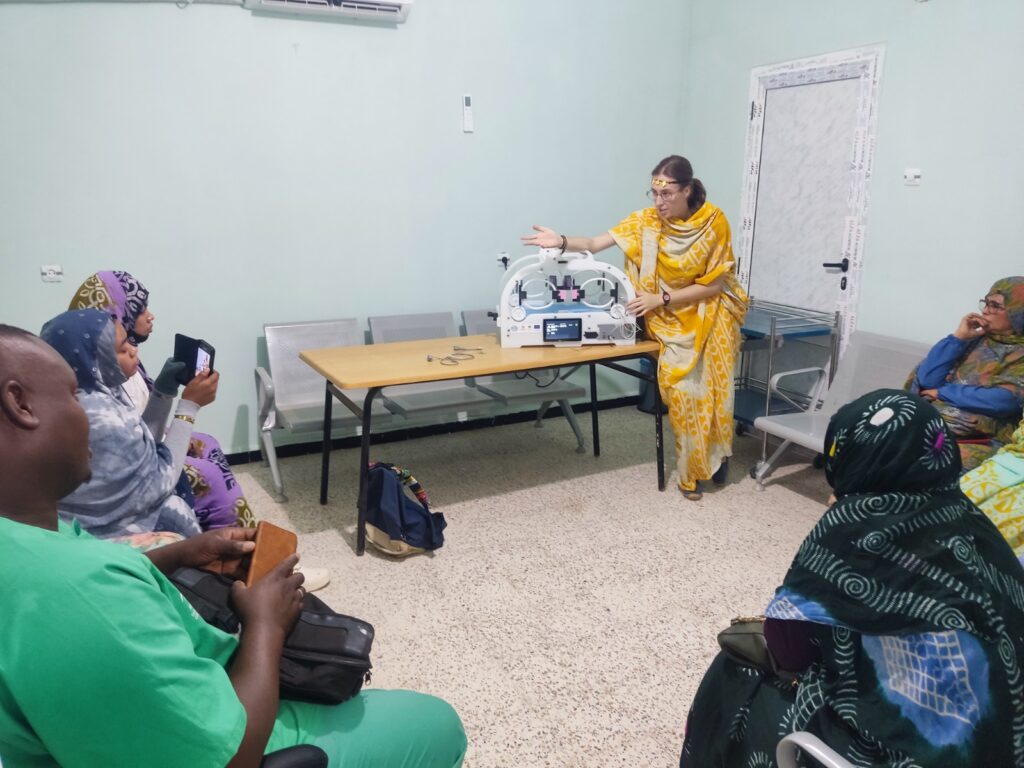
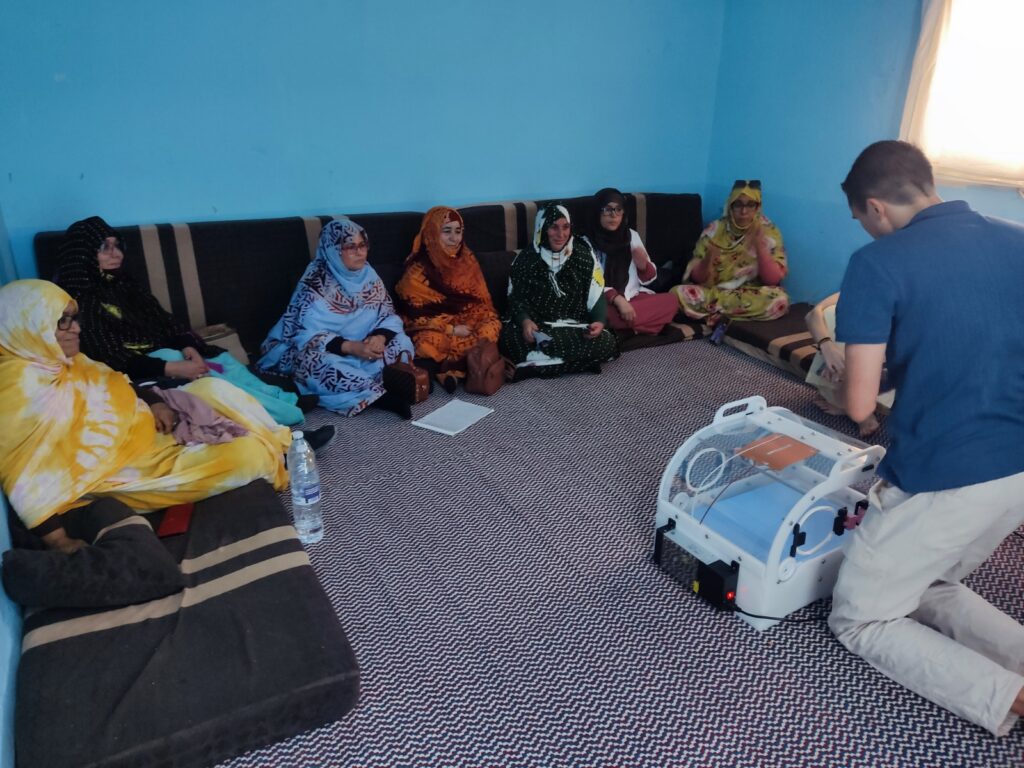
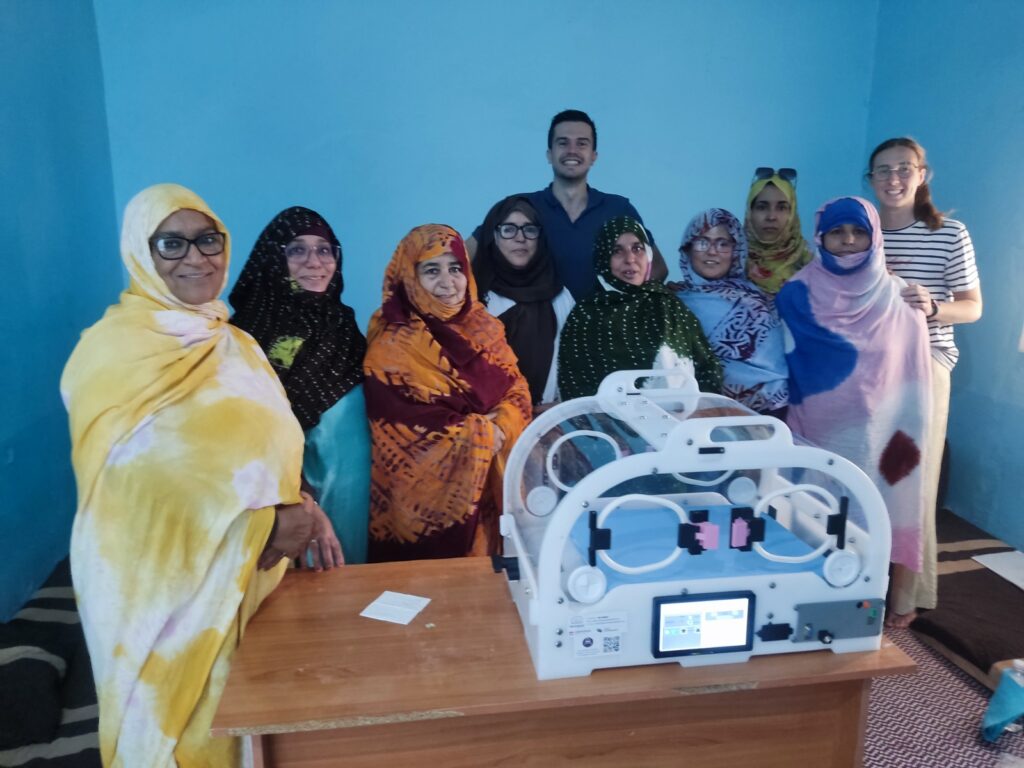
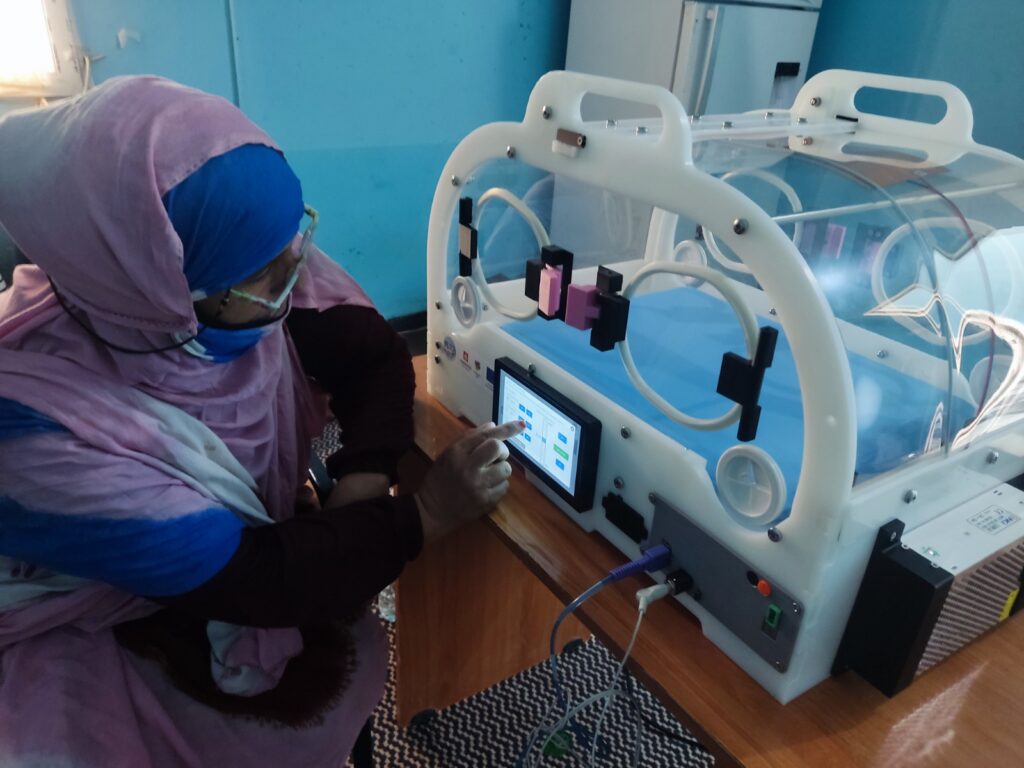
In the camps, the team visited three of the Sahrawi refugee settlements: Awserd, El Aaiún and Rabouni. There, Elia, a MOW volunteer and medical student, gave the clinical training on how to use the incubators. The midwives, very moved, followed every detail.
Training the people who will use them every day is as important as delivering them: it is what maximizes the impact of every incubator we send. At the end of the trip we left 6 incubators, one for each of the 6 hospitals in the camps, eager to return soon with many more for their delivery rooms.
It isn’t just about leaving a machine and going home. It’s about making sure that when a midwife is holding a premature baby in the middle of the night, she knows exactly how to use that incubator to give the baby a chance to live.
The challenge continues
By the end of June we had reached 55 incubators, and we’re not stopping: in July and August 32 more will arrive, on their way to Senegal, Kenya, Ethiopia, Tanzania, Mozambique, Chad and Congo. With them, by the end of summer we will have reached 87. Every shipment, and every trip like this one, brings us a little closer to the 230 incubators we set as our goal for 2026. Each incubator represents much more than a piece of medical equipment: it represents an opportunity for a newborn to have the same right to survive, wherever they were born.
You can help us achieve it too:
Visit the donations section and GIVE LIFE!