
What puts newborns at risk in hospitals with the fewest resources, and what changes when there is an incubator. Five articles with figures from the WHO and published studies.
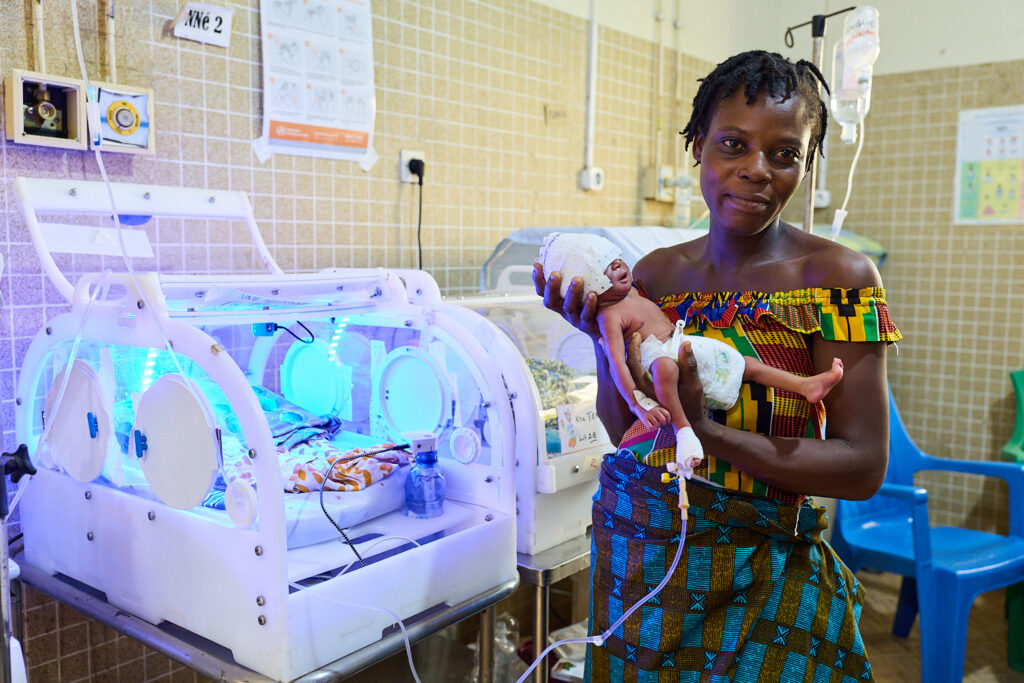
Premature babies: survival depends on where you are born
13.4 million babies are born preterm every year. Of those born at 32 weeks or earlier, half die in poor countries; in rich countries, almost none.
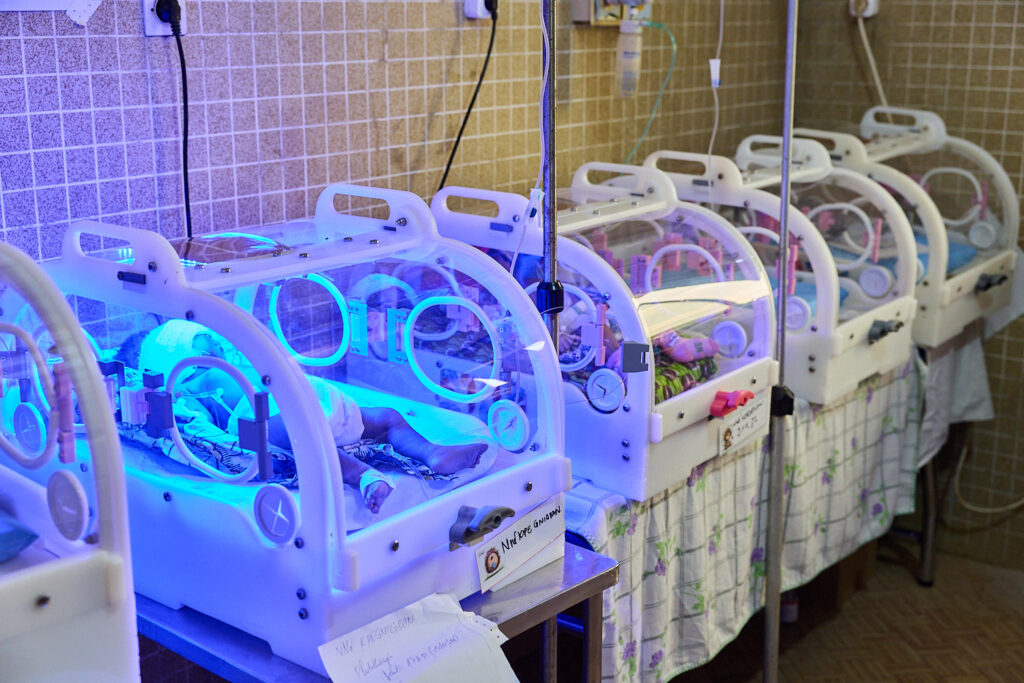
Neonatal incubators: what they do and why they are missing where they are needed most
An incubator gives a preterm baby the warmth and humidity its body cannot yet provide. Why they are missing in poor hospitals and how IncuNest helps.
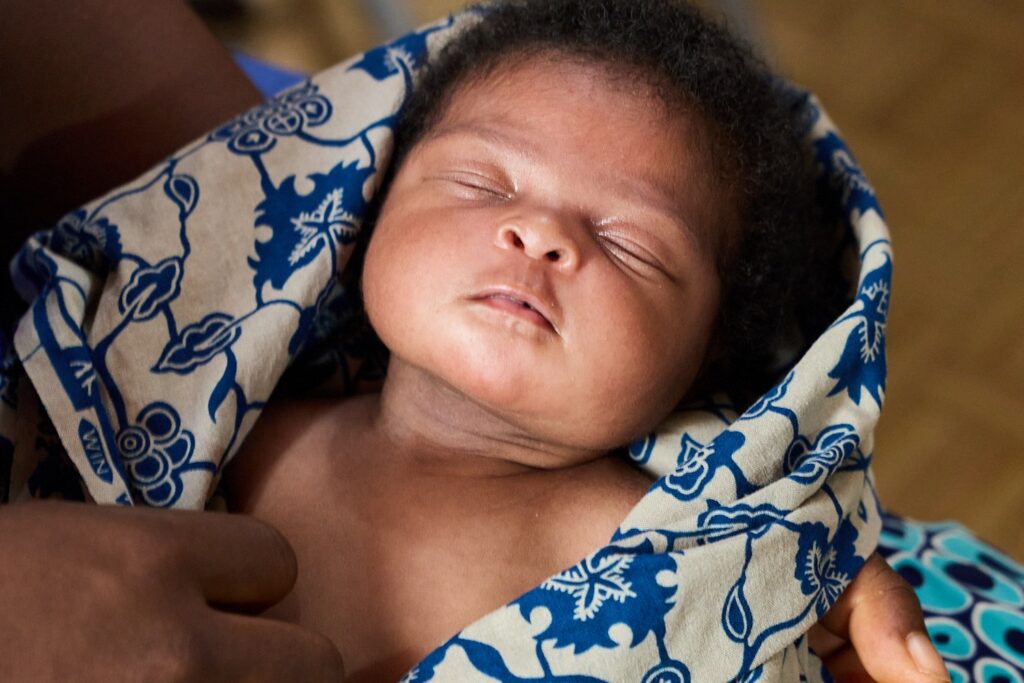
Neonatal hypothermia: the cold that still kills newborns
Between 32% and 85% of newborns suffer hypothermia in hospitals in low-resource countries. What it is, why it kills and what an incubator changes.
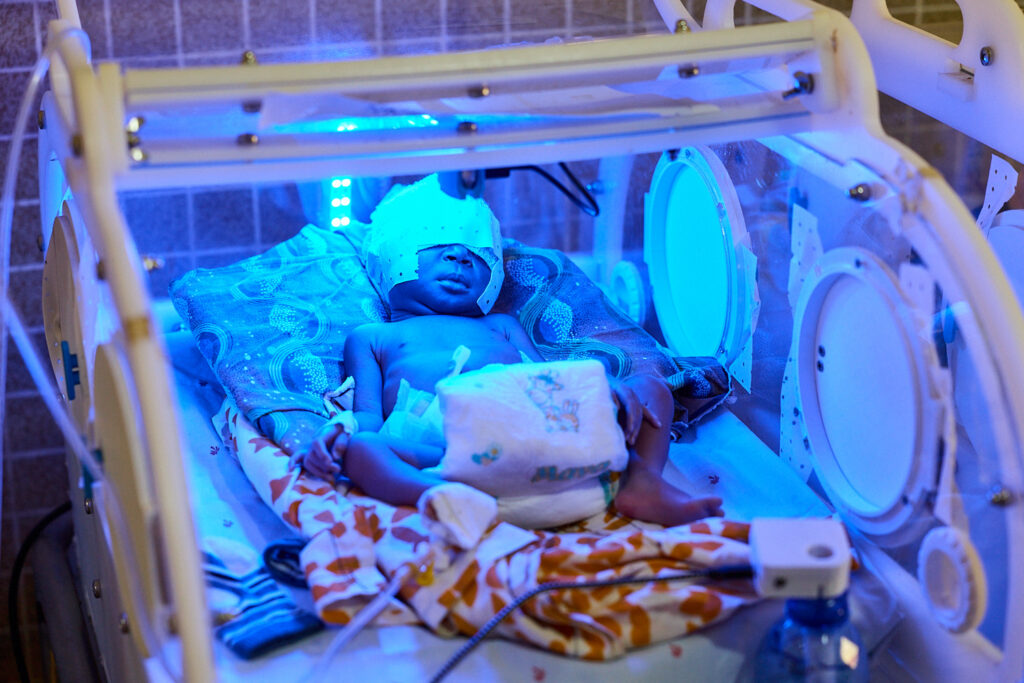
Severe newborn jaundice: a treatable disease that still kills more than 100,000 babies a year
Newborn jaundice is treated with light. Yet 114,000 babies die of severe jaundice every year, almost all where there is no phototherapy equipment.
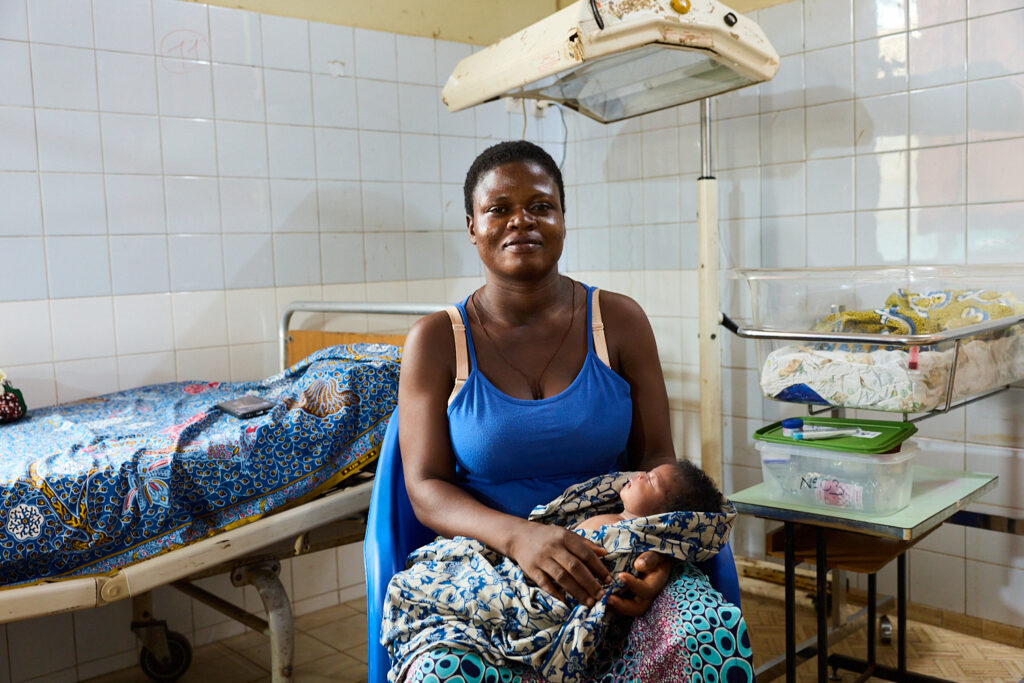
Kangaroo care and incubators: when skin-to-skin is enough and when an incubator is needed
Kangaroo care saves lives and the WHO recommends it from the first minute. But it is not always possible: that is where an incubator is needed.
These articles are for information only and do not replace advice from a health professional.